
The Evolution of Golf Club Technology and Its Impact on Modern Golf
For much of the game’s history, golfers adapted their play to the limitations of their equipment. Over recent decades, breakthrough innovations have flipped that relationship, enabling players at every level to attempt new shots and reinterpret the challenge of classic courses.
As advances in engineering have transformed golf clubs, both the possibilities for performance and the expectations for precision have shifted across the sport.
From tradition to engineering: major milestones
Early golf was played with hickory-shafted clubs that were hand-forged and varied greatly from one example to the next. The introduction of steel shafts in the early 20th century increased both reliability and power. In the 1980s and 1990s, graphite shafts and perimeter-weighted irons enhanced accuracy and distance for more players. Oversized titanium drivers, first appearing around the turn of the millennium, provided a larger sweet spot and greater forgiveness on mishits.
Each decade since has brought incremental yet meaningful changes. Computer-aided design and robotic testing now enable manufacturers to carefully shape clubs, refine weight distribution, and adjust flex patterns. Customisation has largely replaced a one-size-fits-all approach, making equipment choice more significant to individual performance.
Modern materials and construction
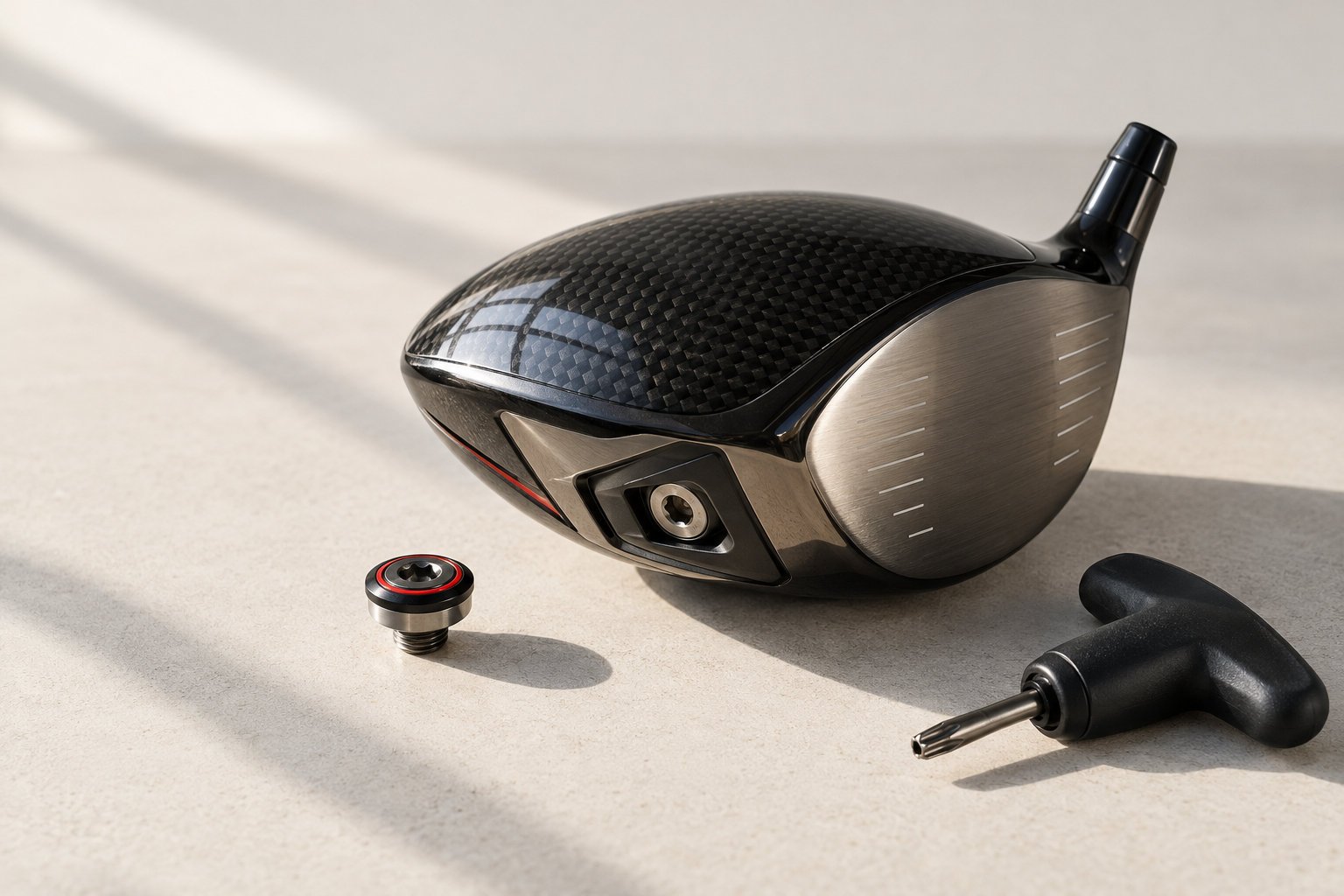
Today’s drivers, fairway woods, and irons are made with materials that differ substantially from those used just a generation ago. Titanium, carbon fibre, and advanced composites help create clubheads that are lighter but stronger. Many clubs now feature multi-material construction, blending metals and polymers to control weight placement for optimised launch and forgiveness.
These advances have led to improved consistency and durability over time. Designers can also incorporate movable weights, slots, and face inserts to modify how the club interacts with the ball, allowing for targeted performance improvements to suit different types of golfers.
The role of forgiveness and playability
Club design has increasingly prioritised forgiveness. By raising the moment of inertia and positioning weight around the perimeter, modern clubs help keep errant shots on line, even when contact is less than perfect. This benefits both elite players and everyday golfers, providing greater performance even on inconsistent swings.
Greater emphasis on playability has also made the game more accessible for players with slower swing speeds or less time to practise. Game-improvement irons and hybrids are common in many bags at club level, reflecting how advances in club design support more consistent contact and enjoyable golf.
Distance, launch, and spin in the modern era
Modern shaping and weighting allow for fine control over ball flight. By adjusting loft, centre of gravity, and shaft properties, manufacturers are able to offer clubs that help achieve a variety of launch angles and spin rates. This can allow golfers to hit longer drives with reduced effort, while also improving the ability to manage trajectories and spin for approach shots.
However, these advantages are dependent on finding equipment that matches a player’s swing characteristics. A club optimised for one person’s need for distance may be less suitable for another who needs increased spin or higher launch to stop the ball on the green.
Custom fitting and personalisation
Modern club technology is distinguished by its adjustability. Many drivers and fairway woods feature movable weights or adjustable hosels, so you can tune loft, lie, or shot bias to best suit your swing. Professional fittings now help identify the most suitable combination of shaft flex, head design, and grip size, maximising the benefits of new technology without demanding a major change to technique.
Custom fitting is no longer reserved just for elite golfers. Fitters highlight performance gains for players of all abilities with a tailored setup. This individual approach can extend beyond clubs to supporting equipment choices, such as using appropriate golf shoes that contribute to both comfort and stability during each round, reinforcing the importance of suitable footwear alongside equipment advances.
Coaching, play style, and the boundaries of technology
The development of modern club technology has changed how teaching professionals address technique and practice. Players now regularly analyse launch data, refine shot shape, and factor equipment into their on-course strategy. The increased range and forgiveness offered by new clubs have also led some to question how best to balance innovation with the traditional skills of the game.
Governing bodies have responded by implementing regulations regarding aspects like groove geometry, clubface rebound, and driver head size, aiming to maintain a challenging course while allowing for technological advancement. The ongoing discussion about this balance continues as new equipment arrives on the market.
Practical tips for upgrading
If you are considering updating your equipment, base your choices on your own skill level, physical build, and typical shot tendencies. While new technology can offer performance improvements, a well-chosen club or accessory is more beneficial than simply following trends. Trying different options or consulting a fitter usually leads to better results than relying on broad claims alone.
The flow of innovation appears set to continue, but the essential foundations of grip, setup, and rhythm remain central to improvement for all golfers. While equipment can enhance what you bring to the game, it does not replace the value of sound fundamentals and regular practice.