
The Harp and Hazard: Ireland's Premier High-Stakes Golf
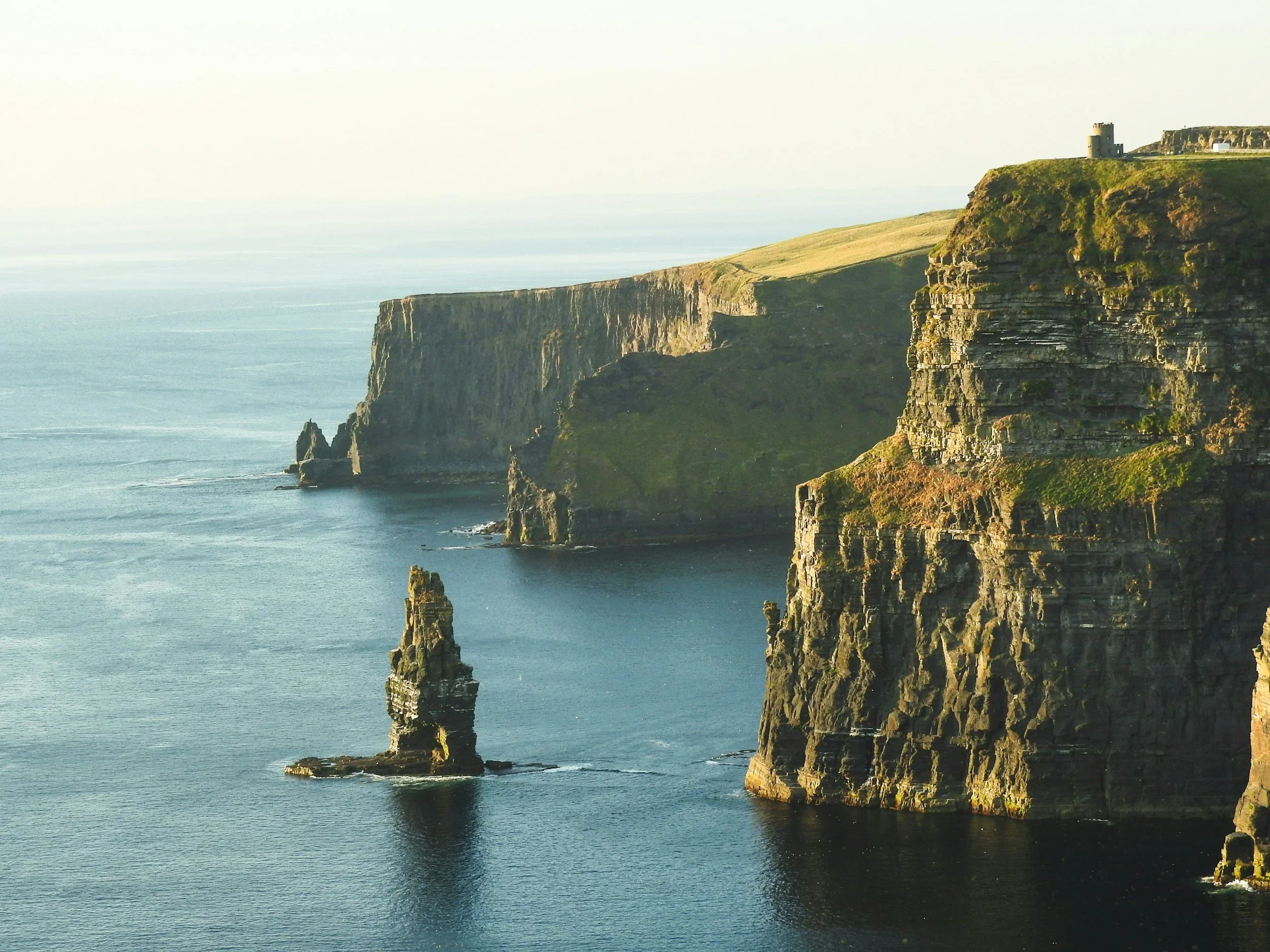
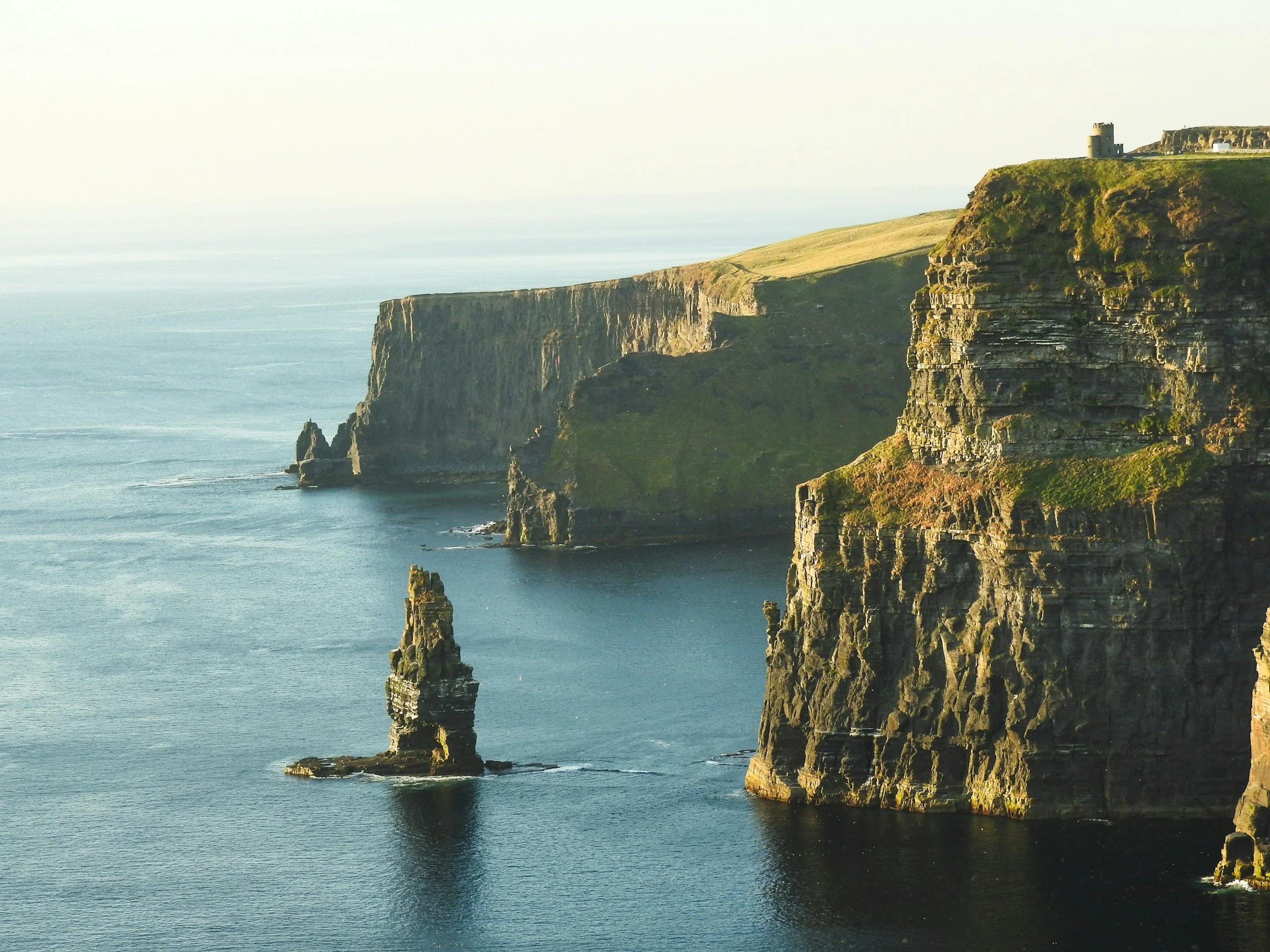
Each spring, the emerald fairways outside Killarney wake to the roar of gallery crowds and the soft ripple of wagers being placed. The Harp & Hazard, Ireland’s premier high-stakes golf event, blends old-world tradition with modern spectacle in a way few tournaments dare.
Fans who track leaderboards while scrolling through free spins offered by the celebrated Slota platform continue to share stories around the casino pulse of the week.
Likewise, when curious newcomers browse https://writersplot.org.nz/ for travel tips, they stumble upon guides to casinos with Apple Pay that echo the tournament’s quick tempo toward the pokies excitement nearby.
Such digital parallels hint at the electric atmosphere waiting beside the first tee, where amateurs dream, pros strategize, and bookmakers adjust odds in real time. What makes this four-day contest stand out is not merely the purse, but the way it entwines Ireland’s storytelling spirit with the calculated nerves of match play under pressure.
The Origins of The Harp & Hazard
Launched in 1998 by a coalition of local clubs and national tourism bodies, The Harp & Hazard was conceived as a showcase for Irish hospitality that could still satisfy the most competitive tour professionals.
Organizers borrowed the name from two beloved symbols: the national harp that crowns official state seals and the legendary “hazards” — stone walls, sheep paddocks, and bog-side winds — that make Irish links courses both feared and loved.
The inaugural event took place on the rugged shores of County Clare, with only twenty invited players and a winner-take-all pot of £250,000. Television crews expected a quaint exhibition; instead, they captured sudden-death fireworks and record viewing numbers across Europe. Word spread quickly, and bigger sponsors arrived.
By the early 2000s, the tournament locked in a rotating schedule among three championship layouts, each within driving distance of heritage towns and lively music pubs. Its growth proved that a niche event, if wrapped in authentic culture, could command global attention. Above all, early participants recall late-night sing-alongs that solidified friendships and gave the contest its soulful heartbeat for years afterwards.
Course Layout and Signature Challenges
Today, the spotlight alternates between Lahinch, Waterville, and the newly renovated Royal Portrush, yet each course delivers the same promise: punish the timid and reward the creative.
Rolling dunes reach skyward like frozen waves, funnelling sea gusts that can transform a well-struck eight-iron into a flailing wedge. Fairways weave between lavender-tinted rough, while blind approaches demand that players trust yardage books more than their own eyes.
The most talked-about hole is “The Piper,” a 215-yard par-three perched on a cliff ledge where bagpipes sometimes serenade tee shots drifting toward the Atlantic. Spectators cling to natural amphitheatres carved by glaciers, producing chants that echo down to the greens.
Course architects have kept technology in check by adding tighter landing zones instead of simply stretching yardages. As a result, strategy beats brute strength, and leaders often change every few minutes. Those who escape the front nine still must face “The Taxman,” a double-dogleg par-five whose final bunker is shaped like a Celtic knot — a cheeky reminder that nothing is safe until the card is signed.
The High-Stakes Format Explained
For purists, The Harp & Hazard’s betting-friendly model might seem radical, yet its rules are straightforward. Seventy-two players, all with career earnings above €5 million, pay a mandatory €100,000 buy-in that goes directly into the purse. After two rounds of stroke play, only the top sixteen proceed, carrying their cumulative scores into televised match-play duels.
Each duel is worth percentages of the pot, so one bad hole can literally cost a fortune. Live odds flash on giant boards beside the fairways, but gambling etiquette remains polite; cheers or groans are delayed until the ball comes to rest, preserving respect for the players. Referees equipped with tablets confirm distances, rulings, and wagers, eliminating disputes in seconds.
Because no corporate appearance fees cushion losses, competitors lean into bold risk-reward choices, chipping over stone walls instead of laying up. The final showdown on Sunday is a twelve-hole sprint, an intentional nod to ancient challenge matches played before dusk.
Winner takes sixty per cent, runner-up claims twenty, and the remainder trickles down by finish. Crowds appreciate the clarity; there are no confusing exemptions, only the stark arithmetic of birdies gained versus euros jeopardised each day.
Beyond the Green: Impact and Legacy
While The Harp & Hazard captivates sports channels, its broader ripple across Ireland may be even more rewarding. Local councils report hotel occupancy at 98 per cent during tournament week, and pop-up artisan markets sell out of knitwear, soda bread, and handcrafted putters by Saturday morning.
Musicians secure yearlong bookings after playing evening sessions under heated tents. Environmental groups, initially sceptical about increased foot traffic, now partner with organisers to restore dune grasses and monitor wildlife corridors. The event has also inspired junior clinics that travel with the tour; more than 4,000 children have received free lessons and donated equipment since 2015. Scholars studying rural economies point to three standout benefits:
• Seasonal jobs that convert to permanent hospitality roles
• International media coverage that boosts winter tourism
• Philanthropy grants funding school libraries and community pitches
Local radio stations even host live trivia contests about past champions between songs. Perhaps the most lasting legacy, though, is narrative. Fans return home retelling windy heroics, cliff-side birdies, and heartbreaking lip-outs, weaving the tournament into the larger fabric of Irish folklore. In doing so, they safeguard the game’s past while energising its future. The story is still unfolding.